

Bangor Cave, about four miles northeast of Blount Springs, was once billed as “the only underground nightclub in America.” The billing wasn’t much of an exaggeration, and the whole run lasted barely a year and a half.
The cave itself was discovered in the late nineteenth century, reportedly by state geologist Walter B. Jones. It has three entrances and seven chambers cut through Bangor limestone by groundwater, running roughly 1,150 feet deep at its farthest point; the main chamber alone is about 350 feet long, 57 feet wide, and 20 feet high. A spur of the Louisville & Nashville Railroad terminated at the Bangor station and carried visitors almost to its door - the same rail line, and the same small community, this site’s own Bangor community tag takes its name from.
The picnic years
The earliest advertisement found for organized cave tours dates to June 2, 1876, when it was still being marketed under a different name entirely: “The attention of All Travelers and Pleasure seekers is respectfully called to the Great Southern Cave, located at Bangor Alabama, four miles north of the celebrated Blount Springs… Admittance, 50 cents. Picnic and excursion parties wishing to visit the cave can make special arrangements by addressing J. V. Musgrove, Bangor, Ala.” The ad ran in the Bangor Broad-Axe itself, a newspaper Phillip Musgrove founded in the early 1870s - sources differ on the exact year, giving either 1871 or 1875 - meaning the family’s footprint in Bangor in the 1870s wasn’t limited to the cave; they ran the town’s paper too. Bangor actually supported two newspapers in this era - the Broad-Axe and a second paper, the Blount County Herald, per an independently sourced list of early Blount County newspapers - a reminder that a town this size could carry more press than survives in any single account. The contact name on the cave ad is no accident: J. V. Musgrove - confirmed via cemetery records as Joseph V. Musgrove (1850-1907) - was already running organized tours of the cave more than sixty years before J. Breck Musgrove built the nightclub there. Joseph was Phillip Musgrove’s own son: Rev. Phillip McCarty Musgrove (1815-1905) founded the Broad-Axe (again, sources differ on whether it was 1871 or 1875), and by 1876, Joseph, then 26, was running the cave’s tour bookings - two generations of the same family behind both the town’s newspaper and its best-known attraction from the very start. A third son, Rev. Edward Gordan Musgrove, was also a Bangor-area minister. The property’s connection to the Musgrove family goes back at least to this founding generation, more than sixty years before J. Breck Musgrove revived it as a nightclub.
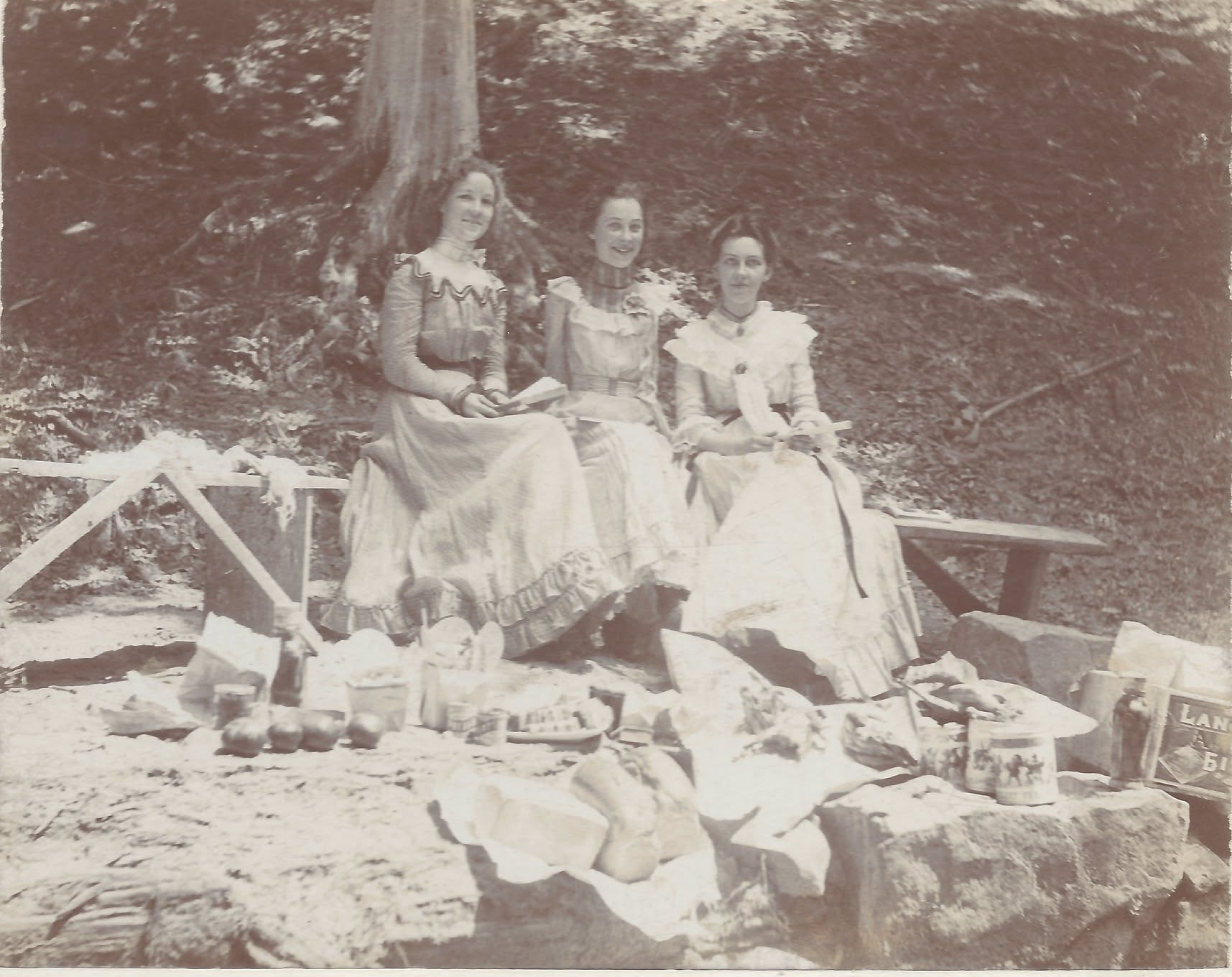
Long before the nightclub, Bangor Cave was one of the biggest excursion destinations in the state - and the L&N Railroad, which ran right to it, made that possible. Birmingham-area newspapers from the 1880s and ’90s record a steady stream of chartered picnic trains: the L&N itself brought its South and North Alabama division employees out for a company picnic in July 1886, and hosted a fourth annual employee reunion there by June 1889. One excursion needed 23 coaches, and reportedly ran on schedule anyway - as one paper put it, “the L & N RR does nothing by halves.”

Churches, fraternal orders, and labor brotherhoods all made the trip. The Ancient Order of Hibernians brought more than 300 people out in 1890, and a newspaper account of that day captures the cave itself better than anything written since: “Candles were lighted and all moved forward into the weird and cool depths beneath the mountain… as a grand finale, the entire group began singing every song they knew. The effect was grand, the vaulted arches of the cave rang back the songs in echoes until they died far away in a whisper.” The Brotherhood of Locomotive Engineers and the Brotherhood of Locomotive Firemen both held annual reunion picnics there through the 1890s, one drawing 700 people on eight passenger cars and a basket car; Central Presbyterian and St. Paul’s Catholic churches, the Birmingham Fire Department, and other groups all held their own outings at the cave, usually for a dollar round trip by train. Two of the recorded trips, in August 1890 and May 1898, were outings specifically for Black rail workers and their communities from Montgomery and along the L&N line - a real, if easy to overlook, part of who actually used the cave in the segregated South of that era.
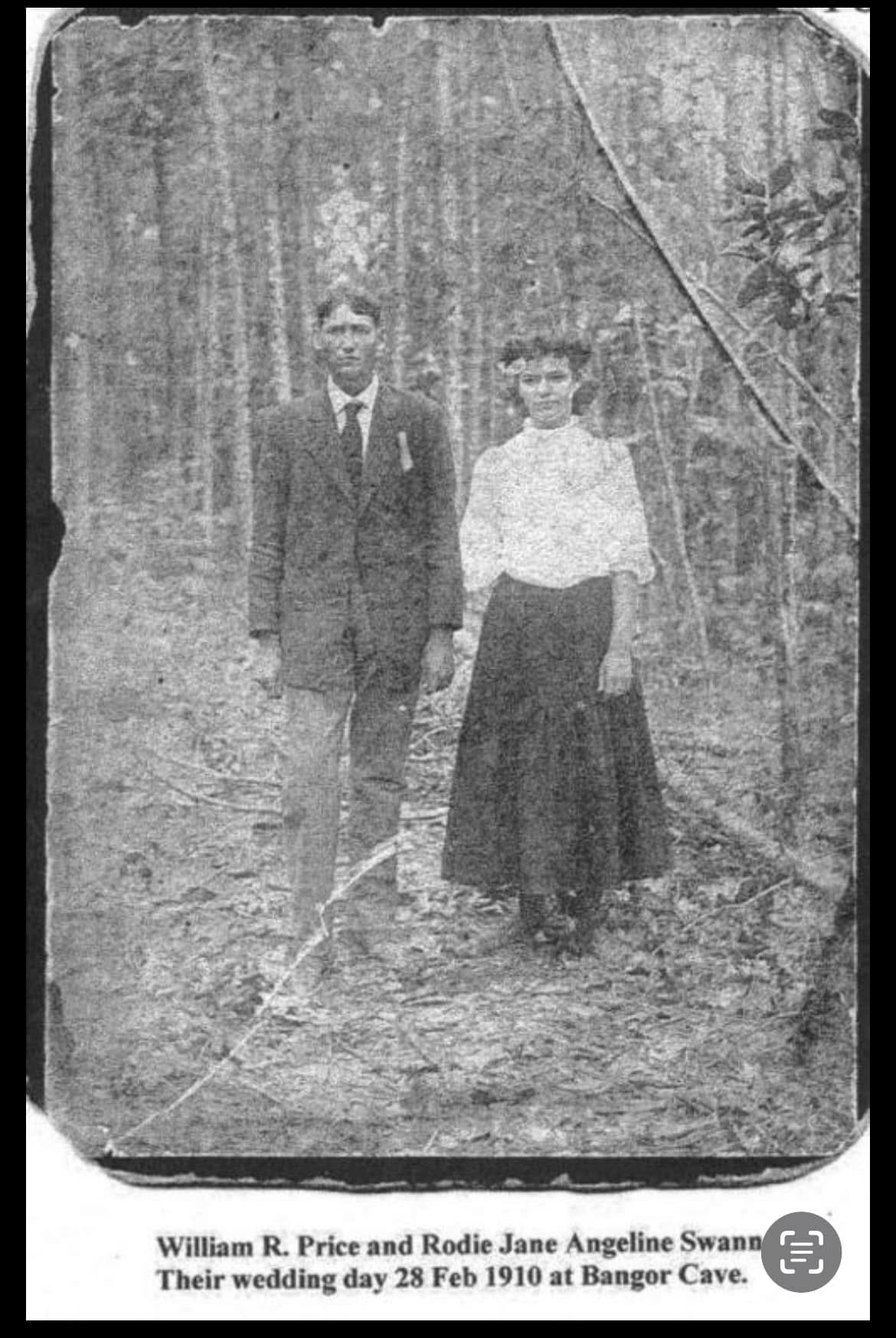
The cave hosted more than picnics. William R. Price and Rodie Jane Angeline Swann were married there on February 28, 1910 - a real wedding, not just an excursion stop, which says something about how central the cave had become to community life in the area by that point.
That era ended in 1915, when the pavilion and furnishings at the cave burned - the same year the main hotel at Blount Springs itself was lost. The cave went quiet for two decades before Musgrove’s nightclub project revived it.
Built with dynamite
By the mid-1930s, the Great Depression had finished off what little tourism was left. Property owner J. Breck (or Breckenridge) Musgrove decided to bring the cave back as a major attraction, and in 1936 brought in a group of investors to fund a genuinely ambitious project: not just a nightclub, but a planned 76-acre park, with a viaduct built over the railroad to carry guests in.

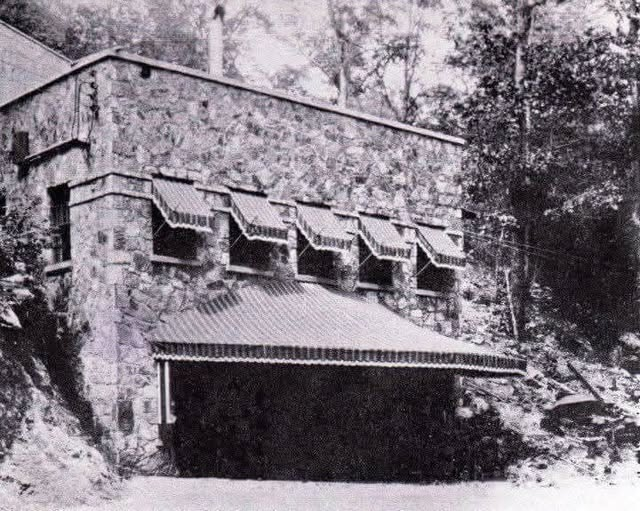
Workers blasted a 50-foot entrance into the cave with dynamite, built a stone-and-concrete roof and a stone bungalow to serve as a foyer, and ran electrical conduit through the ground itself so as not to damage the cave’s natural stalactite formations overhead - reportedly wired to neon lighting bright enough that one newspaper said the cave looked “lit up like Broadway.” Inside, a bar and an orchestra stand were carved directly from stone chiseled out of the cave’s other chambers; the main room got an artificial white marble floor, the rest of the cave was laid with red carpet, and a local artist painted artificial stars and moons on the ceiling. A locked, guarded room in the back held slot machines, blackjack tables, roulette wheels, and liquor - in a county that had recently voted itself dry.
The club opened for business on June 1, 1937. A 1940 Birmingham News retrospective put the cost at $70,000 - “a reported $70,000… gambled against the efficiency of the law” - though at least one other account, citing an earlier 1936 newspaper report on the project while it was still under construction, puts the figure much higher, at $250,000; that may reflect the full planned cost of the 76-acre park rather than just the club itself. Either way, the owners claimed to have made their investment back within the first two nights.
Who actually ran it
Musgrove financed the build, but a family history of Garden City - written by Gertrude Abercrombie Simpson - recalls the club itself being operated “by some people from Chicago and other Northern cities, who tried off and on to sell alcoholic beverages and gambling in a dry county.” Her account comes with a real, named eyewitness: her brother, Joe Abercrombie, 17 years old and just out of high school, was hired to help with the wiring and carpentry, then kept on to run the lights for the club’s floor shows.
Shut down almost immediately
The raids started fast. The first alleged raid came within the club’s first 17 days, and turned up no criminal activity. Governor Bibb Graves ordered the cave shut down, and when the club didn’t comply, Police Chief Clarence Miller raided it at midnight on July 31, 1937 - by one account, the only Alabama police chief to actually secure gambling convictions tied to the cave, and praised by the Blount County Grand Jury for it. A separate account from that same August describes a newly elected Sheriff Ed Miller - “our new sheriff” - acting on gambling at the cave as soon as he took office; whether that’s the same Miller under a different title, or two different officials sharing a surname, isn’t fully resolved in what’s been checked so far.

Ownership changed hands and the gambling continued, screened more carefully, until the circuit court formally padlocked the cave on January 10, 1939. It didn’t stay quiet for long: the cave was ransacked repeatedly afterward, and on May 3, 1939, a fire destroyed what was left of the club. The cause was never determined.
A fallout shelter, then decades of decline
The story doesn’t end with the fire. In 1961, at the height of the Cold War, the Cullman County National Guard converted the cave into a fallout shelter, clearing it out and preparing it to hold as many as 1,000 people in the event of a nuclear attack. After that use ended, the cave changed hands several more times and, by 2010, had earned a reputation as one of the most vandalized caves in the country.
The Yellow Kid
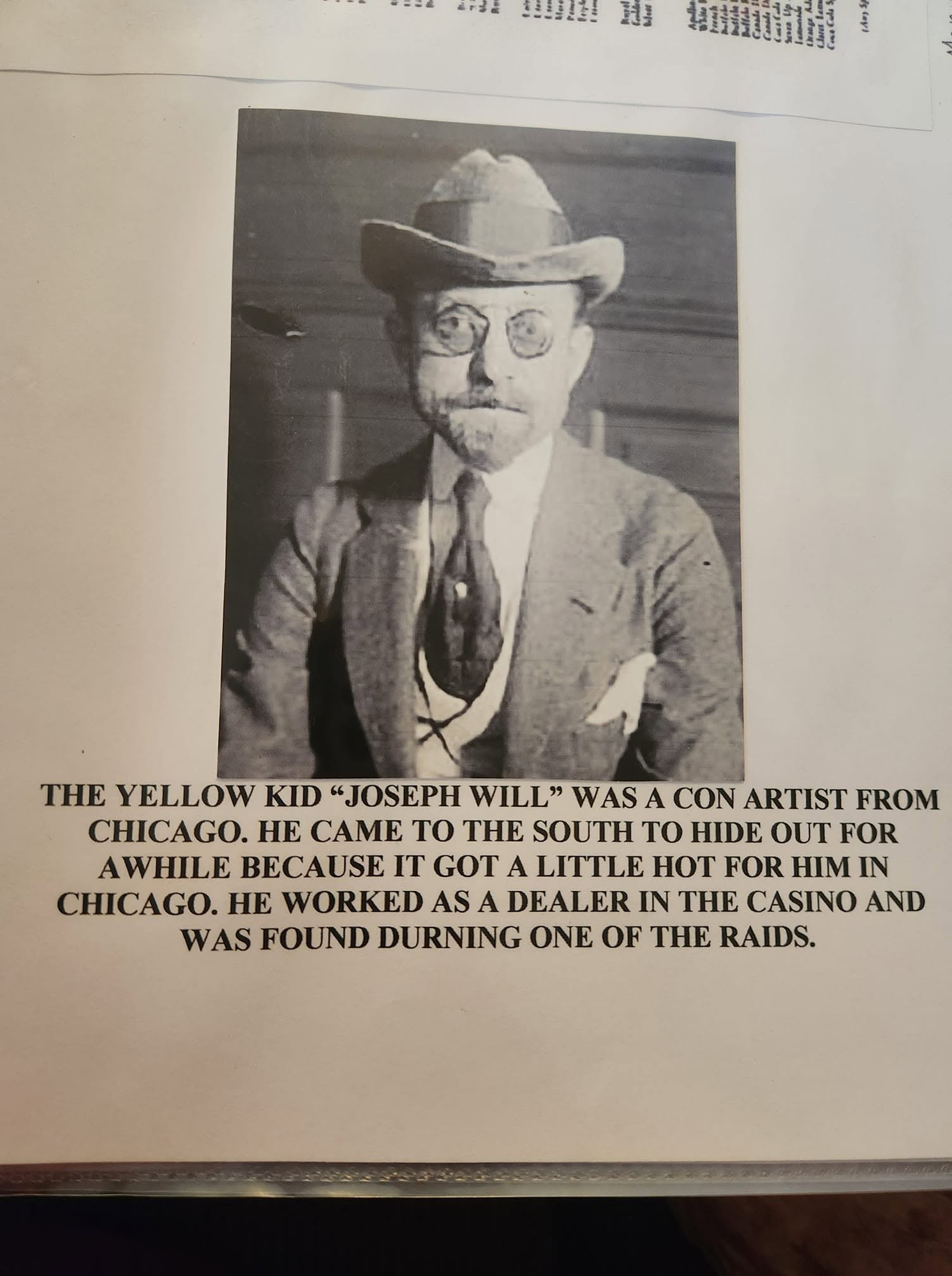
Among the “infamous gamblers and undesirables” who passed through the club, by more than one account, was Joseph “the Yellow Kid” Weil - a Chicago con man famous nationally for wearing only yellow clothing and driving a yellow car, and for swindling an estimated eight million dollars over a decades-long career later chronicled in his own 1948 autobiography. At Bangor Cave, Weil reportedly worked for a long stretch as a cashier (one account describes him instead as a dealer), operating the gambling room under yet another assumed name.
One popular rumor holds that Al Capone himself visited Bangor Cave. The timeline rules that out: Capone was in federal prison from 1932 until his release in November 1939, on tax evasion charges, which covers essentially the entire span the nightclub was open. Whatever else is true about the cave’s clientele, that particular legend doesn’t hold up.

The Garden City family history has the most dramatic version of how it ended for him: “When the cave was raided one night by some law enforcement officials from Blount County, The Yellow Kid escaped through an air shaft, taking most of the money with him; but he was apprehended later in Chicago.” That’s one family’s account, not an independently confirmed record, so it’s worth reading as strong local tradition rather than settled fact - but Weil’s presence at the cave in some capacity has independent footing well beyond just this one source, appearing in a 1940 Birmingham News feature (with his photograph, captioned as the club’s cashier) and in a separately sourced local history.
Today
The stone entrance built for the 1937 club outlasted the club itself by decades - a Blount County Historical Society group visited and photographed it in 1968, nearly thirty years after the doors closed, with the dynamited entrance and stonework still standing intact.
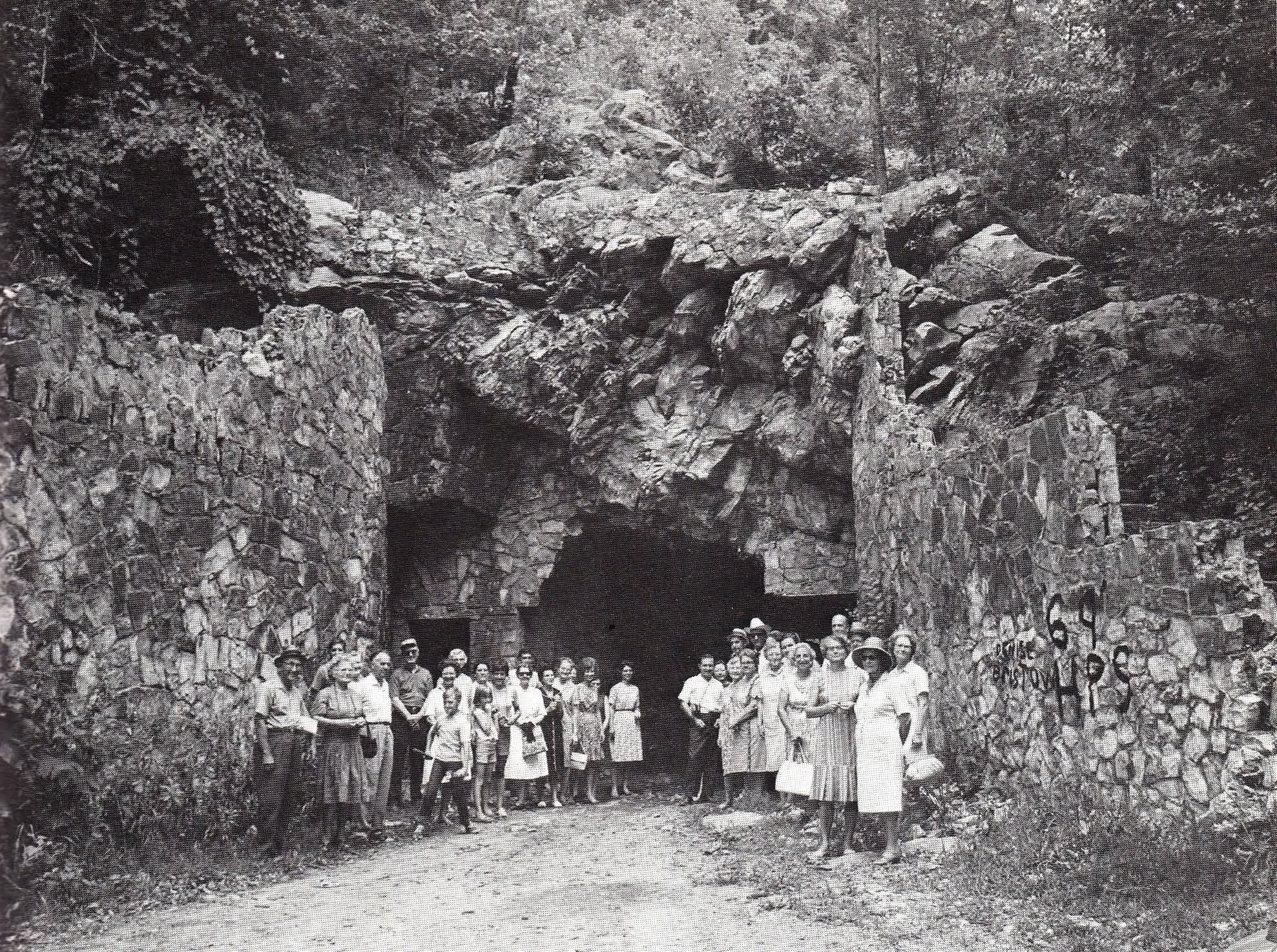
The cave has taken real damage over the decades - structural wear, vandalism, spray-paint graffiti - and it isn’t open to the public. It’s privately owned, and the current owner has restricted access and is actively working to clean up the graffiti and restore the cave.
Sources: Genealogy Trails, Blount County, Alabama newspaper transcriptions (Southern Argus, Birmingham Iron Age, Bangor Broad-Axe, Blount County News-Dispatch, Marion Herald, various 1874-1887, transcribed by Veneta McKinney); Encyclopedia of Alabama, “Bangor Cave”; Sam Rogers, “The History of the Bangor Cave Nightclub,” The Alexandrian VI, no. 2 (2017), Troy University (cites Robin Sterling‘s Tales of Old Blount County, Alabama, 2013); Kelly Kazek, “When Bangor Cave was Alabama’s most popular Prohibition night club”; Bhamwiki, “Bangor Cave”; a Birmingham News retrospective dated April 7, 1940; and Gertrude Abercrombie Simpson’s family history of Garden City; and Robin Sterling, author of Tales of Old Blount County, Alabama and Blount County, Alabama Confederate Soldiers, on the provenance of the Bangor Broad-Axe and other early Blount County newspapers; and Find a Grave, Bangor Cemetery (William H. Musgrove memorial), for the Musgrove family relationships.