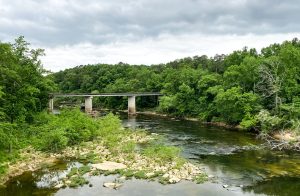
1830-1851
The Silk Farm That Named the Mulberry Fork
A silk farm at Blount Springs that never made silk, the Goffe brothers who ran the resort, and the 1851 U.S. Supreme Court case that records how it ended.



The mineral-springs resort era at Blount Springs — hotels, owners, guests, and the industry that grew up alongside it.
A silk farm at Blount Springs that never made silk, the Goffe brothers who ran the resort, and the 1851 U.S. Supreme Court case that records how it ended.
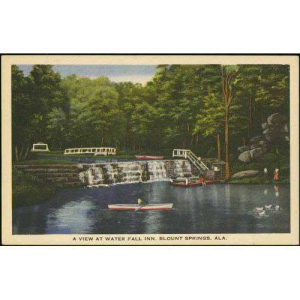
The 20th-century swimming hole and roadside attraction that outlived the Blount Springs resort.
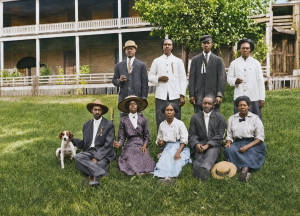
A Louisiana legislator's landmark 1884 visit, a 6,000-person picnic, a thriving Black landowning community next door, and the named and unnamed people whose labor ran the resort.

An old kiln still standing near Highway 31 marks a real industrial history at Blount Springs -- a lime-and-quarry operation that cost two rail workers their lives and, per an 1885 state report, ran on convict labor.
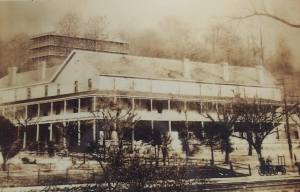
A 1921 case for Blount Springs' revival, published in the Birmingham Age-Herald - the resort's history, its assets, and its two occupied graves.
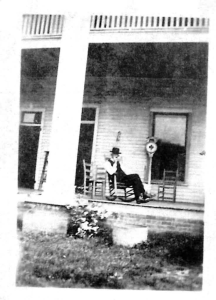
A 1915 dispatch from Blount Springs, published in the Birmingham Age-Herald less than a year after the resort's second hotel fire.
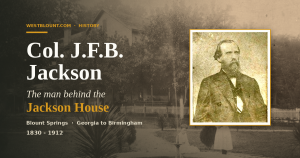
Georgia sheriff, Confederate colonel, railroad builder, owner of the Jackson House at Blount Springs, Birmingham gas and street car pioneer, and the road superintendent who laid out Jefferson County's highways. His story, with a timeline and the newspaper pages behind it.
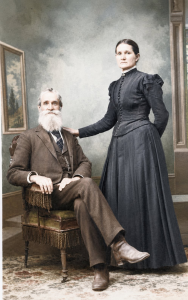
Philip Henson was born December 28, 1827, in Blount Springs. By the time he died in 1911, he’d spied on […]
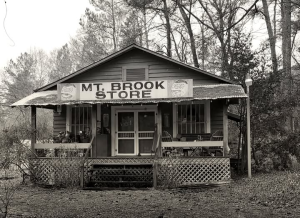
There’s a Mountain Brook Store in Blount County today, a small country store that has nothing to do with the […]
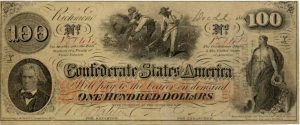
Mary Gordon Duffee was about seventeen in 1861, the year her three older brothers - William Henry, George Gillespie, and […]
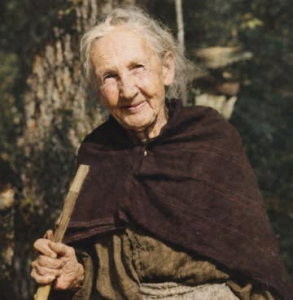
Two of the letters already told on this site - the naming of Ricetown, and part of what’s known about […]
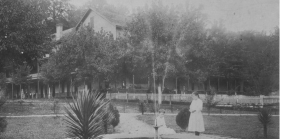
A 19th-century mineral-springs resort, internationally known in its day.